Data Privacy Regulations and Cloud File-Sharing Tools
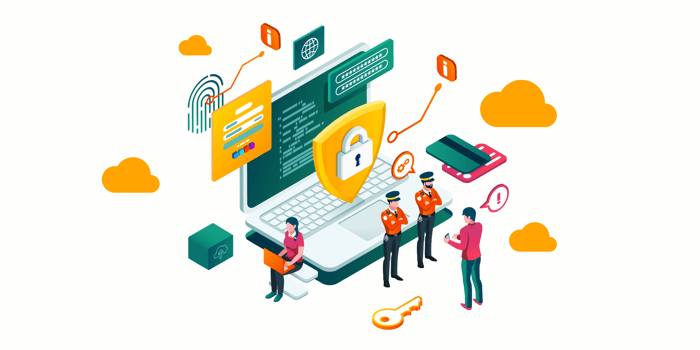
Table of Contents
The increasing adoption of cloud-file-sharing tools has reshaped business operations making it easier for companies to store and manage large amounts of data. However, this convenience comes with the responsibility of ensuring data privacy.
Adhering to data privacy regulations is crucial for securing sensitive information in the cloud, maintaining customer trust, and complying with regulatory requirements. These regulations also help organizations follow data protection laws, which are vital for businesses while preventing costly data breaches.
By following these laws, companies can protect themselves from hefty fines and safeguard their financial health and public reputation.
Cracking the Code of Data Privacy Regulations
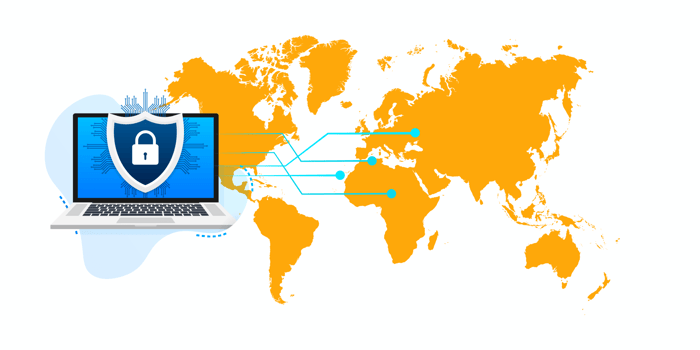
Data privacy regulations are laws and guidelines that set standards for how data is collected, stored, and processed. These regulations protect individuals’ personal information from unauthorized access, misuse, and exposure. Different regions have their own data privacy laws, but some of the most well-known ones include:
GDPR (General Data Protection Regulation)
The GDPR, enforced by the European Union, is one of the most stringent data privacy regulations globally. Its primary objective is to protect the personal data of EU citizens and ensure that companies handling this data do so responsibly. Organizations using cloud-based tools must ensure that their cloud providers are GDPR compliant. Key aspects of GDPR include:
-
Data minimization: Only gather the essential information and stick to the basics when collecting data.
-
Consent: Make sure individuals understand and agree to the data being used. Require individuals to agree to data collection and processing.
-
Data breach notification: Notify individuals and authorities within 72 hours of data breach. Disclose data breaches promptly and honestly.
Companies that break GDPR compliance will face hefty fines of up to 20 million euros or 4% of a company’s annual global revenue, whichever is greater.
CCPA (California Consumer Privacy Act)
The CCPA is a comprehensive data privacy law in the US designed to give California residents more control over their personal information. It provides rights such as:
-
Right to access: Individuals can ask to view the information gathered about them. They have the right to see their data.
-
Right to deletion: People can request that their personal information be deleted or wiped clean.
-
Opt-out of sale: Users have the option to not have their data sold to other companies and prevent personal information from being sold to third parties.
The California Attorney General can sue companies that violate the CCPA, seeking fines of up to $7500, per violation. Other violations may result in fines of up to $2500 per violation.
HIPAA (Health Insurance Portability and Accountability Act)
For healthcare organizations and entities handling protected health information (PHI), HIPAA enforces strict data privacy and security rules. Cloud-based tools used in healthcare must meet HIPAA requirements, including data encryption and access controls to ensure the safety of sensitive medical data. HIPAA rules include:
-
Security rule: Organizations must use physical, technical, and administrative measures to prevent unauthorized access to health information and protect patient data.
-
Privacy rule: Organizations cannot disclose a patient’s personal health information without their consent.
-
Breach notification rule: Companies must inform patients if their data has been breached.
-
Omnibus rule: Patients should be allowed to access and share their health information.
-
Enforcement rule: This rule outlines the process for investigating complaints and violations of HIPAA and determines penalties for non-compliance.
HIPAA compliance violations are classified into different tiers, each with varying fines and penalties. These violations can be categorized as either civil or criminal, with criminal offenses often resulting in significant fines and potential jail time.
Other Notable Data Privacy Regulations
-
LGPD: Brazil’s Lei Geral de Proteção de Dados mandates data privacy protection similar to GDPR.
-
PIPEDA: Canada’s Personal Information Protection and Electronic Documents Act regulates how businesses handle personal information.
Ensuring Data Privacy in Cloud-Based File Sharing
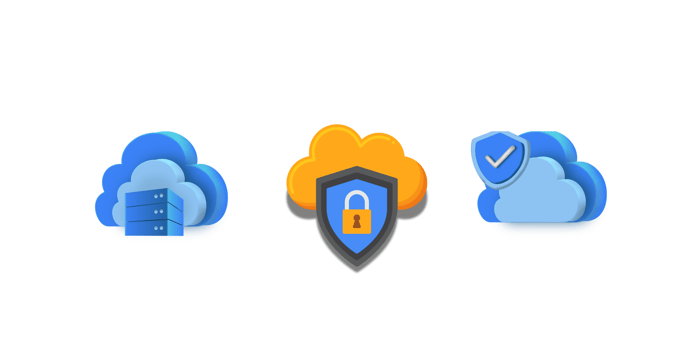
Cloud-based data management tools are now widely used across nearly all types of businesses, driven by the shift to online processes and changing work environments. Platforms like DropSend, One Drive, and WeTransfer provide businesses with convenience and scalability. However, it’s crucial to use these tools in compliance with data privacy regulations.
Security features
To remain compliant with data privacy regulations, cloud file-sharing tools must offer robust security features. Some of the essential features include:
-
Encryption: Data should be encrypted both at rest and in transit. This ensures that even if data is intercepted, it cannot be read by unauthorized parties.
-
Access controls: Cloud platforms should allow organizations to control who has access to files. Role-based permissions help ensure that only authorized users can view, edit, or share sensitive documents.
-
Audit logs: A comprehensive audit trail or log allows businesses to track who accessed or modified a file when it was done, and what changes were made. This is vital for regulatory compliance and data protection.
-
Data redundancy and backup: Ensuring that data is stored in multiple locations prevents loss due to server failures or natural disasters.
Compliance with data privacy regulations
To comply with global data privacy laws, businesses using cloud-based file-sharing tools should ensure that their chosen provider adheres to the relevant regulations. Providers must:
-
Adhere to jurisdictional requirements: Data residency is a key concern. For example, GDPR requires that data about EU citizens remain within the EU unless proper safeguards are in place.
-
Sign Data Processing Agreements (DPAs): These contracts ensure that cloud providers process personal data in compliance with data privacy laws.
-
Conduct Regular Audits: Organizations should regularly audit their cloud providers to ensure they remain compliant with the evolving regulatory landscape.
Best Practices for Ensuring Compliance in Cloud-File Sharing
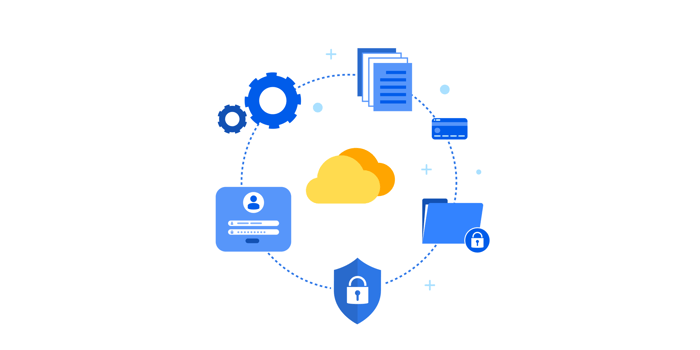
Although proiders of cloud file-sharing tools implement security measures to protect your data, it remains your responsibility as a consumer or organization to actively ensure that your use of cloud file-sharing tools complies with data privacy regulations. Below are some best practices to follow.
Perform regular risk assessments
Regularly assess potential risks associated with cloud file-sharing tools such as unauthorized access, data leaks, or inadequate encryption. Identify vulnerabilities and implement solutions to mitigate these risks.
Implement strong authentication protocols
Use multi-factor authentication (MFA) to add an extra layer of security. Even if login credentials are compromised, MFA ensures that unauthorized users cannot access sensitive information. For instance, DropSend, a secure cloud file-sharing tool allows users to utilize password-protected file-sharing and set file expiration dates to add extra layers of security.
Provide employee training
Educate employees on the importance of data privacy and secure file-sharing practices. Implementing policies around how files should be shared, who they can be shared with, and how sensitive data should be handled is crucial.
Regularly update security policies
Data privacy laws and cloud-based file transfer tools are continually evolving. Regularly review and update your organization’s security policies to ensure ongoing compliance with the latest regulations.
Utilize advanced encryption techniques
While many cloud providers offer encryption, businesses should take extra steps to enhance their security measures. Consider using additional security methods for files containing sensitive information such as adding passwords or limiting file downloads.
Monitor access and activity
Regularly monitor who is accessing your files and what they are doing with them. This allows businesses to identify unusual activity that should indicate a breach or misuse of data.
By implementing these practices, you can enhance the security of your business or organization, allowing you to quickly identify and address the earliest signs of a security breach. This proactive strategy helps reduce damage, safeguard customer trust, uphold integrity, and prevent fines or in extreme cases the possible shutdown of your business.
Challenges of Balancing Convenience and Compliance
Cloud file sharing for business is designed for ease of use, making it simple to collaborate and share documents. However, convenience should not come at the expense of compliance. Businesses must balance these two priorities by ensuring that user-friendly cloud solutions also have built-in mechanisms to meet regulatory requirements.
Data Storage and Location
Data storage and location are key considerations in cloud deployments. The four main cloud deployment models are public, private, hybrid, and multi-cloud. Each model has different data privacy implications. Data location can affect risk and recovery objectives. It’s essential to evaluate a cloud provider’s data protection measured, with a focus on data sovereignty.
Sovereign cloud solutions, while more costly and complex, have fewer data centers and require compliance with specific regional regulations. Daily backups, as mandated by HIPAA, are examples of the data storage location challenge encountered in cloud environments.
Encryption and key management
Encryption, which uses encryption keys to scramble data, is vital for protecting data in the cloud. However, managing encryption keys can be complex. Achieving a balance between making keys accessible to authorized personnel and maintaining their security requires addressing challenges such as key creation, distribution, rotation, and deletion.
Utilizing DropSend’s Security Feature
DropSend is a cloud service provider offering advanced security features to help your business meet data privacy regulations. It provides end-to-end encryption using the AES protocol, ensuring that both your business and clients can securely send and receive files. DropSend also allows you to use password-protected file sharing, set expiration dates, and limit downloads for extra security. With flexible pricing plans, you can choose the storage and budget options that best suit your needs. Additionally, DropSend partners with a trusted cybersecurity organization, further enhancing data protection.
Beyond security and personalization, DropSend is committed to reducing its carbon footprint through daily audits.
Looking for secure, cloud-based file sharing that complies with data privacy regulations? Sign up for free and start securely sending files with DropSend.

