Encryption Standards: What to Look for in Encrypted File-Sharing Solutions
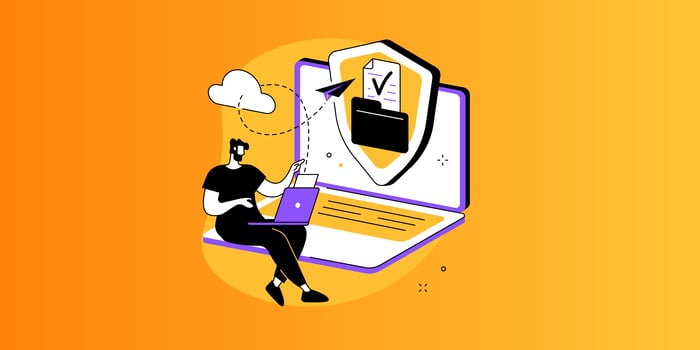
Encrypted file-sharing solutions are crucial in safeguarding data and maintaining privacy in today’s digital world. Whether you are an individual or part of a large organization, selecting the right encrypted file-sharing platform is essential for protecting sensitive information from breaches and unauthorized access.
Cloud-based file-sharing platforms leverage encryption to secure files during transfer. For instance, DropSend is a cloud-based service designed to share files using the robust AES encryption protocol securely.
Below are the key encryption standards and critical features to consider when choosing a file-sharing solution.
The Origins of Encryption
Encryption has a rich history that dates back thousands of years. The first recorded use of encryption can be traced to ancient Egypt around 1900 BCE, where scribes used hieroglyphics to encode secret messages/ Throughout history, encryption methods evolved, with notable examples including the Caesar Cipher used by Julius Caesar and the Enigma machine employed during the World War II. Modern encryption, as we know it, began to take shape in the 1970s with the development of cryptographic algorithms like DES (Data Encryption Standard) and RSA. laying the foundation for today’s advanced standards.
Understanding Encryption Standards
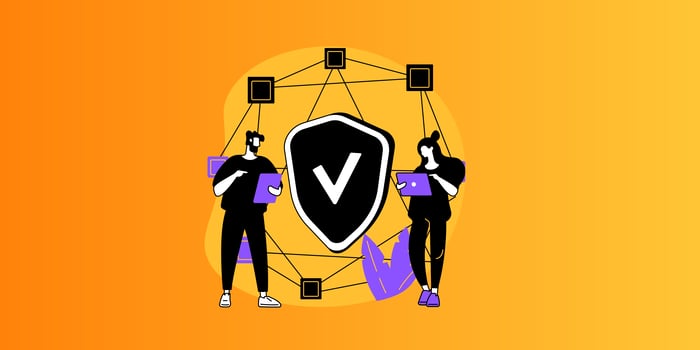
Encryption is the backbone of secure file sharing. It involves converting data into an unreadable format, ensuring only authorized parties can access it. Below are the most common and robust encryption standards to consider:
AES (Advanced Encryption Standard)
The Advanced Encryption Standard (AES) is one of the most widely used encryption algorithms. It is considered the gold standard for encryption due to its:
-
Strength: Available in 128-bit, 192-bit, and 256-bit key lengths, AES-256 is virtually unbreakable using current computing capabilities.
-
Speed: Efficient performance, even when sending large files.
-
Applications: Widely used in government, financial institutions, and cloud services.
RSA (Rivest- Shamir-Adleman)
RSA encryption uses asymmetric cryptography, where two keys (public and private) encrypt and decrypt data. Its features include:
-
Key Pair Security: Ensures only the intended recipient can decrypt files.
-
Applications: Ideal for secure email and file transfer protocols.
TLS (Transport Layer Security)
TLS encryption protects data during transmission. Encrypting connections between users and servers prevents unauthorized access to files shared over networks. Key features include:
-
Authentication: Verifies the identity of the parties involved.
-
Data Integrity: Detects tampering or corruption of data during transit.
End-to-End Encryption (E2EE)
End-to-end encryption ensures that only the sender and recipient can read the contents of a file. No third party, including the service provider, has access to the encryption keys.
-
Privacy Assurance: Guarantees absolute confidentiality.
-
Best for: Messaging apps and file-sharing solutions prioritizing user privacy.
Key Features to Look for in Encrypted File-Sharing Solutions
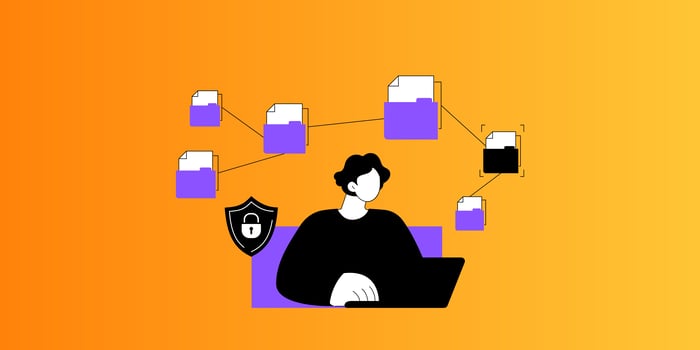
When evaluating encrypted file-sharing platforms, look for these critical features to ensure the security and efficiency of your data transfers:
Robust Encryption Protocols
Ensure the file transfer platform uses industry-standard encryption methods like AES-256 and TLS. These protocols protect files both at rest and in transit, safeguarding against unauthorized access.
AES-256 is the strongest level of encryption provided by the AES protocol. It is virtually impenetrable with current computing capabilities. This level of encryption is widely employed by government agencies, military organizations, and financial institutions.
TLS, on the other hand, secures data during transmission, such as login credentials, credit card numbers, and personal information. Additionally, TLS verifies the integrity of transmitted data, detecting any tampering or corruption to ensure that the exchanged information remains unaltered and trustworthy.
Key Management Systems
A dependable Key Management System (KMS) is essential for the secure handling of encryption keys. KMS solutions are designed to generate, store, manage, and distribute keys safely throughout their lifecycle. These systems are fundamental in ensuring the confidentiality, integrity, and accessibility of encrypted data. Look for solutions that provide:
-
Customer-Managed Keys (CMK):
Customer-managed keys allow users to take full ownership and control of their encryption keys, giving them the ability to create, manage, and revoke keys as needed. This feature ensures that only the customer can access and manage the keys, enhancing security, and privacy. CMK is particularly beneficial for organizations that require strict compliance with regulations or need to manage sensitive data automatically.
-
Hardware Security Modules (HSMs):
Hardware Security Modules are physical devices specifically designed to provide a secure environment for generating, storing, and managing encryption keys. These devices protect keys from unauthorized access by employing tamper-proof mechanisms and high-grade encryption protocols. HSMs are often used in industries such as finance and healthcare, where the highest levels of security are essential for safeguarding sensitive data.
Zero-Knowledge Architecture
Platforms with a zero-knowledge encryption model cannot access user data because they lack access to encryption keys. Zero-knowledge architecture is a security model in encrypted file-sharing solutions where the service provider has no access to the data stored and shared by users. In this setup, the encryption keys are solely managed by the users, ensuring that even the provider cannot decrypt the files. This architecture is based on the principle of end-to-end encryption. All data is encrypted on the user’s device before it is uploaded and remains encrypted throughout its storage and transmission. Only the user or authorized recipients can decrypt the data using their private keys.
Zero-knowledge encryption provides:
-
Privacy: Your data remains confidential.
-
Trustworthiness: Even in the event of a server breach, your information is secure.
Granular Access Controls
Granular access control allows users to set precise permissions for who can view, edit, or share specific files, ensuring tighter security in secure file-sharing solutions. Features such as role-based permissions, password-protected links, and expiration dates for shared files enable organizations to enforce strict access policies. This level of control is essential for maintaining data privacy and compliance with security regulations
Features to look for include:
-
Role-Based Permissions: Assign specific roles to team members.
-
Expiration Settings: Automatically revoke access after a set period.
-
Password Protection: Adds an extra layer of security for shared links.
Compliance with Security Standards
Encrypted file-sharing solutions need to comply with industry standards to safeguard sensitive data and meet regulations such as GDPR, HIPAA, or ISO 27001. Compliance with these standards highlights the platform’s reliability and effectiveness as a secure file transfer method, reducing the likelihood of breaches or unauthorized access. This adherence also fosters trust among users and partners by ensuring strong data protection measures are in place.
-
GDPR (General Data Protection Regulation): For data protection in the EU.
-
HIPAA (Health Insurance Portability and Accountability Act): For healthcare data security.
-
ISO 27001: International standard for information security management.
Secure File Deletion
A robust encrypted file-sharing solution should incorporate secure deletion protocols that go beyond standard file removal methods to ensure sensitive data is completely erased from servers and devices. These protocols typically overwrite the data multiple times, making it unrecoverable even with advanced recovery tools. This feature enhances data security and reduces the risk of unauthorized access to discarded or outdated files.
User- Friendly Interface
Choosing encrypted file-sharing solutions that are user-friendly is especially important for ensuring secure and efficient file-sharing for business operations. An intuitive interface allows both technical and non-technical users to easily manage and share files without risking errors that could compromise security. This usability not only enhances productivity but also encourages widespread adoption across teams, integrating secure practices into daily workflows.
Look for solutions offering:
-
Intuitive Dashboards: Easy navigation for non-technical users.
-
Cross-Platform Support: Compatibility with various devices and operating systems.
Common Threats to Avoid in File Sharing
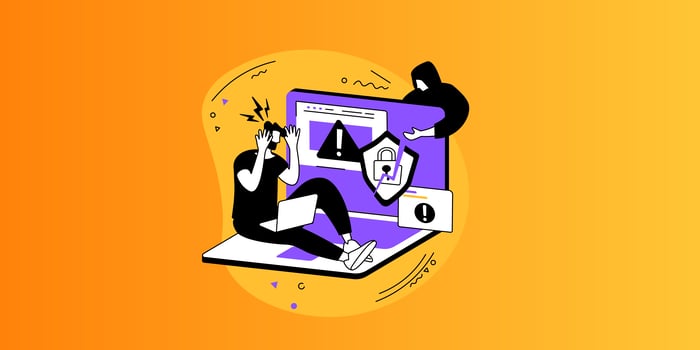
Despite the robust security measures offered by secure file-sharing software, threats can still emerge from weak passwords, phishing attacks, or outdated systems. Human errors, such as sharing credentials or falling for scams, can undermine even the most secure platforms. Additionally, improper encryption key management can expose sensitive data to unauthorized access.
Man-in-the-Middle (MITM) Attacks
MITM attacks occur when attackers intercept communications between users, potentially gaining access to sensitive data during transmission. Using a secure file transfer platform with properly implemented TLS/SSL certificates ensures encrypted communication channels and prevents unauthorized interception.
Phishing Attacks
Phishing schemes often trick users into revealing login credentials or sensitive data through fraudulent links or messages. Educating users about these threats and emphasizing the importance of verifying links and sender identities can help safeguard against such attacks.
Outdated Software
Outdated software can leave file-sharing systems vulnerable to newly discovered exploits or attacks. Regular updates from solution providers ensure that the platform stays protected against emerging threats and maintains compliance with the latest security standards.
DropSend: Encrypted File-Sharing Solution That is Right For You
In today’s digital landscape, securing sensitive information is more critical than ever, and DropSend offers a robust solution for individuals and businesses alike. DropSend ensures that your information remains protected at all stages by utilizing AES-256 encryption for safeguarding files and TLS protocols for secure data transmission. Its user-friendly interface, with free secured file-sharing options, makes it an accessible and efficient choice for users. With features like password-protected file sharing, file expiration controls, and compliance with industry standards, DropSend provides a comprehensive solution tailored to meet diverse needs.
DropSend stands out as a reliable and accessible option for encrypted file sharing, catering to both personal and professional users. Whether you need to transfer large files, collaborate with a team, or meet stringent data protection requirements, DropSend offers the tools and security measures to do the job efficiently. Combining cutting-edge encryption with ease of use, including free secured file-sharing options. DropSend empowers users to control their data completely while ensuring seamless and secure file-sharing.

