Cost Benefits of Cloud Storage for Small Businesses
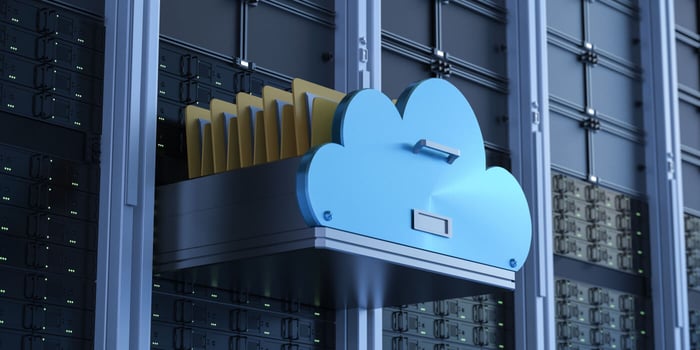
Data is a critical asset for businesses across all scales, particularly as the demand for digitization continues to rise. However, small businesses encounter challenges due to limited resources and budgetary constraints when managing and safeguarding their data. Fortunately, cloud storage for small businesses offers a cost-effective and flexible solution, enabling them to store, access, and protect their data efficiently.
Cloud storage facilitates data management processes and fosters collaboaration and productivity. Moreover, it ensures peace of mind by ensuring data security and accessibility whenever required. For instance DropSend exemplifies this by enabling team sharing while implementing a robust 256-bit encryption protocol for enhanced security.
The Importance of Data Management and Storage

Data serves as a critical component in the operation and functionality of businesses. However, data in isolation holds little value. Businesses require a well-defined strategy, governance, and model for managing data effectively, enabling its practical and efficient utilization across supply chains, employee networks, and partner ecosystems.
Data management entails the collection, organization, and use of data to enhance productivity, efficiency, and decision-making processes. Given the indispensable role of data in modern business environments, the establishment of a robust data management strategy and implementation of modern data management systems is imperative, irrespective of company size or industry.
Effective data management encompasses various processes and practices for organizing, storing, retrieving, and securing data throughout its life cycle. Data storage is essential for holding the data in a structured manner, making it accessible for analysis, decision-making, and other business processes. Whether stored on-premises or in the cloud, a reliable storage solution is integral to successful data management strategies.
The Cost Benefits of Cloud Storage

Data stands as the foundation of digital transformation, functioning as a crucial element that empowers businesses to maintain competitiveness, efficiency, and productivity while offering seamless customer experience across diverse channels. To attain these objectives, businesses must prioritize data management, beginning with effective data storage solutions. While cost might pose a concern when seeking reliable storage options, especially for small businesses, leveraging cloud storage can potentially save both time and money, ensuring businesses remain relevant in the evolving business landscape.
Scalability and Flexibility
Cloud storage offers small businesses unprecedented scalability and flexibility, allowing them to respond to evolving storage requirements without the constraints of conventional hardware infrastructure. In contrast to on-site storage solutions that demand an initial investment in servers and storage equipment, cloud storage operates on flexible pricing plans tailored to individual needs, which can be upgraded as necessary. This capability enables businesses to effortlessly expand their storage capacity as their data needs increase. Such scalability empowers small businesses to effectively manage resources, reduce expenses, and remain adaptable in a competitive market landscape.
Furthermore, cloud storage’s ability to accommodate growing demands without additional costs facilitates seamless large file sharing, eliminating any obstacles in collaboration for businesses.
Reduced Infrastructure Costs
One of the most significant advantages of cloud storage for small businesses for small businesses lies in its ability to minimize data storage costs. By utilizing the cloud, small businesses can eliminate the need for costly hardware acquisition, maintenance, and upgrades associated with traditional storage solutions. Instead of investing in expensive servers and data centers, small businesses can leverage cloud storage services offered by reputable providers at a fraction of the cost. This reduction in data storage expenses translates to tangible savings, enabling small businesses to allocate financial resources strategically and invest in growth initiatives.
Flexible Payment Plans
Many cloud storage providers offer payment plans tailored to the needs of small businesses. Some feature pay-as-you-go-pricing models, allowing businesses to pay solely for the storage they utilize. This flexibility allows businesses to adjust their storage requirements by demand, preventing unnecessary expenses incurred from storage capacity. Additionally, cloud storage providers often present transparent payment structures and predictable billing cycles, facilitating easier budgeting and expense forecasting for businesses. With such payment plans, businesses can effectively manage cash flow and avoid unforeseen costs associated with maintaining and upgrading on-premise storage infrastructure. Furthermore, cloud storage services include large file sharing services with their pricing plans, promoting seamless collaboration among teams.
Enhanced Data Security and Compliance
Data security is crucial for small businesses, particularly in today’s landscape marked by rising cyber threats and regulatory mandates. Cloud storage provides substantial investment in advanced measures like encryption, access controls, and threat detection systems to safeguard data against unauthorized access, breaches, and loss. By utilizing cloud storage and its robust security features, businesses can mitigate the risk of costly data breaches and the financial repercussions they may cause.
Various industries and jurisdictions impose strict regulations and compliance standards related to data protection, privacy, and retention. Failure to comply with these regulations can lead to substantial fines, legal expenses, and damage to the company’s reputation. Cloud storage providers often furnish compliance certifications and adhere to industry benchmarks, aiding businesses in meeting regulatory obligations without incurring additional expenses linked to compliance violations.
Business Continuity and Disaster Recovery
Small businesses face numerous challenges in ensuring business continuity and mitigating the impact of unforeseen disruptions such as natural disasters, hardware failure, or cyber-attacks. Cloud storage offers robust disaster recovery capabilities. This includes automated backups and failover mechanisms which minimizes downtime and data loss in the event of an emergency. Cloud storage providers ensure redundancy and resilience, empowering small businesses to recover critical data and applications swiftly. This proactive approach to disaster recovery equips small businesses to maintain operations, uphold customer trust, and preserve brand reputation even in the face of adversity.
Choosing the Right Cloud Storage Provider For Your Business

The cost benefits of cloud storage are enticing enough to consider adopting one. However, it is also important that before delving into the myriad of cloud storage solutions available on the market, it’s crucial to understand your specific business requirements. Assessing factors such as data volume, data type, compliance standards, accessibility needs, and budget limitations will offer direction when exploring the array of options available.
Security and Compliance Considerations
Security breaches and data compliance issues have the potential to wreck havoc on your business reputation and financial stability. Hence, it is important to prioritize security features and ensure compliance like GDPR, HIPPA, or PCI DSS when choosing a cloud storage provider
Seek out providers that offer strong encryption protocols, multi-factor authentication, data residency options, and frequent security audits to protect your sensitive information from unauthorized access and data breaches.
Scalability and Performance
As your business expands, the demand for data storage increases as well. Choosing a cloud storage solution with scalability and high-performance features guarantees smooth growth without sacrificing speed and reliability.
Take into account aspects like scalability thresholds, performance metrics, data transfer speeds, and latency rates to ensure excellent performance even during periods of peak usage.
Cost-Effectiveness and Pricing Models
While cloud storage offers unparalleled flexibility and scalability, it’s crucial to evaluate the cost-effectiveness of each provider’s pricing model. Compare pricing structures, including storage tiers, data transfers, retrieval costs, and any additional charges for premium features or support services.
Beware of hidden costs and ensure transparency in pricing to avoid unexpected billing surprises down the road. Conduct a thorough cost-benefit analysis to identify the cloud storage solution that offers the best value proposition for your business needs.
Reliability and Uptime SLAs
Downtime can disrupt your business operations and result in productivity losses and revenue setbacks. Prioritizing reliability and uptime guarantees is mandatory when choosing a cloud storage solution.
Evaluate providers based on their Service Level Agreements (SLAs) regarding uptime assurance, redundancy strategies, disaster recovery procedures, and past uptime performance. Choose providers with a demonstrated history of dependability and minimal downtime to guarantee continuous access to essential data resources.
User Experience and Customer Support
The user experience and quality of customer support offered by a cloud storage provider play a pivotal role in determining overall satisfaction and operational efficiency. It’s essential to assess factors such as user interface, accessibility features, ease of configurations, and availability of self-service options to guarantee a seamless experience for your team members.
Furthermore, evaluate the responsiveness and proficiency of the provider’s customer support team in handling inquiries, resolving issues, and offering timely assistance whenever required. Choosing providers for their outstanding customer service and proactive support can effectively mitigate potential operational disruptions. This ensures that your business operations run smoothly and that any challenges are addressed promptly, promoting productivity and user satisfaction.
Take Your Business To the Cloud with Business Lite
Selecting the appropriate cloud storage provider stands as a pivotal decision that can significantly influence your business operations. Without a doubt, cloud storage for offers a multitude of benefits to businesses of all sizes: nevertheless, the choice hinges upon your business objectives and aspirations for growth in the digital realm. Key considerations such as security, scalability, cost-effectiveness, and compliance must take precedence when making this decision.
To navigate the saturated market of cloud storage solutions, we introduce DropSend. DropSend places utmost importance on the critical factors relevant to cloud storage selection. For instance, in terms of security, DropSend adheres to a stringent 256-bit encryption protocol. Moreover, DropSend emphasizes cost-effectiveness by offering a complimentary trial for first-time users and provides tailored quotes based on individual business requirements. For businesses seeking flexibility, DropSend presents Business Lite, a plan tailored specifically to accommodate fluctuations in storage needs. Furthermore, DropSend prides itself on its intuitive interface and unwavering reliability when it comes to sending large files and managing storage.
Elevate your business to new heights by embracing the cloud with DropSend.

