File-Sharing Online: Safeguarding Your Organization
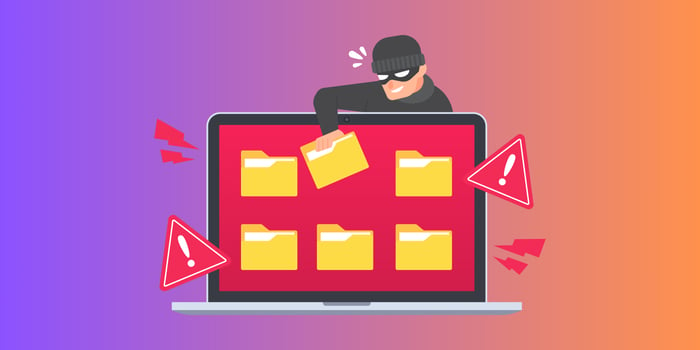
Nowadays, almost every aspect of our lives unfolds online—transactions, communications, shopping, healthcare, taxes, bookings—the list goes on. But as processes and services shift from physical to digital, the risk of a security breach becomes a targeted objective for malicious actors.
If personal information alone can be wielded against individuals, one can only imagine the potential impact of the wealth of information held by organizations and businesses facilitating online transactions.
However, organizations and businesses conform to precise security and data compliance regulations. They also designate IT support personnel committed to enforcing stringent security measures. Further, tools such as file-sharing online platforms and cloud storage services are also utilized to safeguard client data and minimize the occurrences of breaches. The primary susceptibility they face is data leakage, arising from mishandling practices, insider threats, software application vulnerabilities, insufficient encryption, and outdated security protocols.
The Anatomy of A Security Breach

A security breach, which can unfold in mere minutes, possibly as brief as the time it takes to make a cup of coffee, requires months to address its consequences. Despite the brevity, actors may employ various methods to acquire the information necessary to execute the attack swiftly.
According to Verizon’s 2023 Data Breach Report:
-
83% of breaches involved external actors—with the majority being financially motivated
-
74% of breaches involved human element, which includes social engineering attacks, errors, or misuse
-
50% of all engineering attacks are pretexting incidents
Based on these data, it is evident that security breaches are planned, motivated, and intentional actions. To safeguard against the strategies employed by actors, and comprehend existing and forthcoming measures let us dissect the intricacies of security breaches.
What is a Security Breach?
A security breach refers to the unauthorized entry into a device, facility program, network, or data. It encompasses the violation of protective measures safeguarding data, network systems, or physical hardware assets and is frequently the precursor of unauthorized copying, sharing, or theft of data in a data breach.
Different Ways A Security Breach May Manifest
Unauthorized Access: Attackers exploit vulnerabilities to gain unauthorized entry into systems, networks, or data which involves password cracking, exploiting software vulnerabilities, and taking advantage of weak security configurations.
Phishing Attacks: A type of social engineering attack employed to steal user data such as login credentials and credit card details. Attackers pose as trustworthy entities and deceive victims into opening an email, instant message, or text that may contain a link for malware installation, ransom attack, or disclosure of information.
Malware Infections: Malicious software, such as viruses, ransomware, or spyware is introduced to compromise the security of systems, steal data, or disrupt normal operations.
Insider Threats: Individuals with internal access such as a present or past employee who possesses valid user credentials that compromise security by mishandling data. These are either intentional or unintentional.
Denial of Service (Dos) or Distributed Denial of Service (DDoS) Attack: Flooding or overloading a server with internet traffic to make it unavailable and disrupting regular operations to steal data or exploit cyber weaknesses.
Man-in-the-Middle Attack: Interception of communication between parties to eavesdrop or impersonate one of the parties and steal information or alter data in transit.
Weak Encryption: Failing to secure data through encryption, making it susceptible to interception and unauthorized access during transmission or storage.
Outdated Software: Exploiting vulnerabilities in outdated unpatched software, which may contain known security flaws.
Social Engineering: Manipulating individuals by using deceptive tactics to trick victims into revealing personal or sensitive information. This involves impostors posing as a person or organization that the victim places trust in.
Physical Security Breach: Unauthorized access to physical facilities if the theft of devices containing sensitive information, poses a risk to both digital and physical security.
Web Application Vulnerabilities: Exploiting weaknesses in the web application, such as SQL injection or cross-site scripting to gain unauthorized access to the database or compromise user data.
Understanding these techniques that cyber criminals employ allows individuals and organizations to recognize potential threats such as impostors attempting to steal their data, the presence of ransomware installations, and the necessity for implementing enhanced security measures. This awareness should prompt individuals to proactively take steps to mitigate potential breaches and exercise caution in sharing information online.
Impacts of a Security Breach on an Organization

Frequently, organizations, particularly those dealing with sensitive data like credit card information, become targets of a data breach. Despite implementing numerous security protocols, hackers persistently discover ways to bypass defenses and access valuable data and credentials. Surprisingly, the surge in data breaches often does not align with enhancement in organizational preparedness.
To actively mitigate risks and fortify defenses against potential attacks, organizations must comprehend the extensive consequences a data breach can inflict on their business. Some of the detrimental outcomes of a data breach include:
Financial Loss
One of the most immediate and hard-hitting consequences that organizations face following a data breach is financial loss. This encompasses various costs such as compensating affected customers, establishing incident response initiatives, concluding breach investigations, investing in new security measures, incurring legal fees, and potentially facing substantial regulatory penalties for non-compliance with the GDPR (General Data Protection Regulation).
Reputational Damage
Online, news can spread like wildfire and organizations can swiftly become global headlines within hours of a data breach becoming public knowledge. This unfavorable media coverage, combined with a decline in customer trust, has the potential to inflict irreparable harm on the affected company. Reputational damage is enduring and adversely affects an organization’s capacity to attract new customers, secure future investments, and hire new employees for the company.
Operational Downtime
Businesses are frequently subject to significant disruptions in the aftermath of a breach. To manage a data breach, organizations must undertake a thorough investigation, often resulting in the temporary shutting down of operations until investigators obtain the necessary information, In many cases, these processes may extend over weeks.
Mitigating the Risks in Cloud-based File-Sharing Platforms
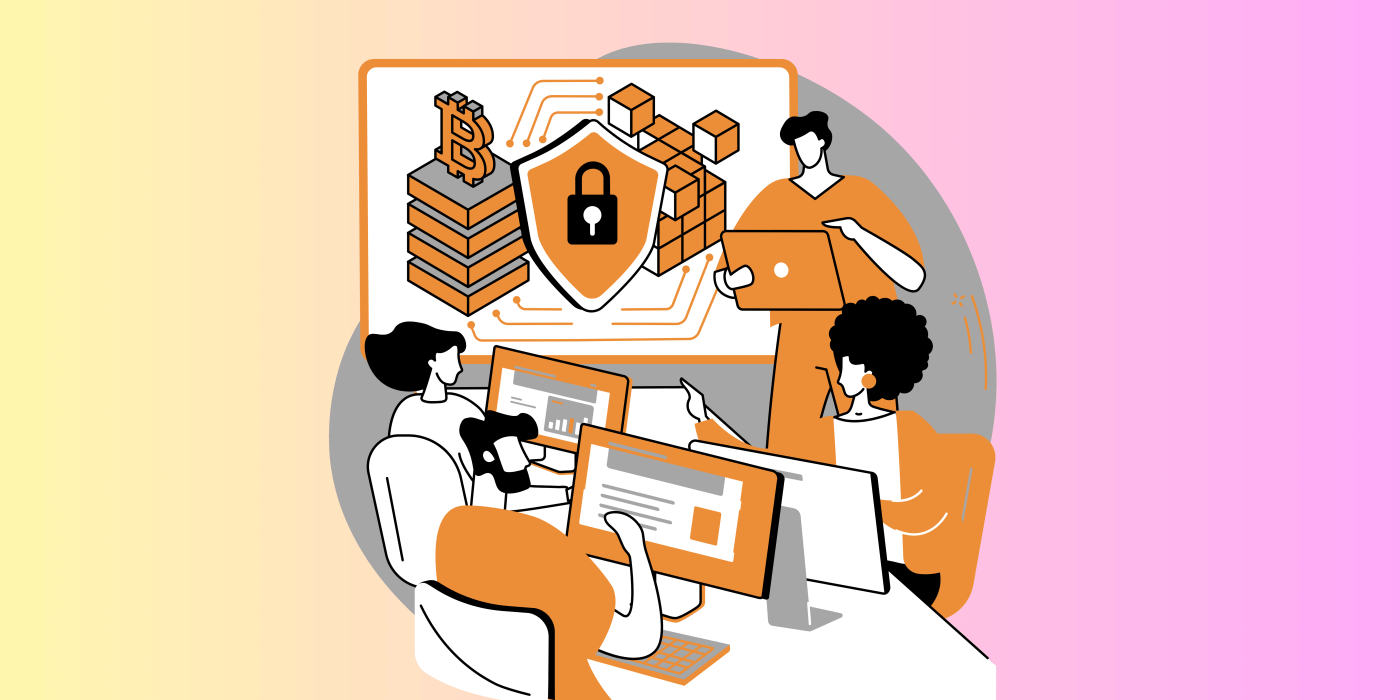
Sharing large files without proper security measures can become a breeding ground for potential security breaches. Malicious actors exploit various vulnerabilities in this scenario, including unauthorized access, absence of encryption, insufficient access controls, mishandling, and more.
Organizations frequently utilize cloud-based file-sharing platforms for collaborative efforts and storing substantial files. To avoid breaches arising from the improper use of the software, it’s crucial to consider the following points.
Establish Strict Access Controls
When sending large files through your chosen cloud-based platform, it is essential to establish and uphold detailed access controls. Only permit authorized individuals to access particular files or folders, thereby reducing the likelihood of unauthorized infiltration into the system.
Enforce Multi-Factor Authentication
Strengthen user authentication in your file-share website or web-based file-sharing platforms by implementing multi-factor authentication. This adds an extra layer of security, requiring users to identify their identity through multiple means such as passwords and biometrics.
Implement Limits in Authorization
Depending on your preferred large file-sharing service, you have the option to control file access using features such as shared link expiration or a specified number of download limits. This guarantees that should you overlook deactivating a shared link, unauthorized individuals won’t be able to access the file. Moreover, setting download limits ensures that only authorized individuals can acquire a copy of the sent file.
Regularly Update Software
Keep your unlimited file-sharing platforms, software, and applications up to date. Regular updates include security patches that address vulnerabilities, reducing the risk of exploitation by cyber threats.
Monitor User Activity
Implement real-time activity monitoring to detect and respond to any unusual behavior. This proactive approach allows swift action against potential security threats before they escalate.
Educate and Train Users
Ensure consistent cybersecurity training for users and incorporate reminder pop-ups into your big file transfer platforms to keep users informed about the risks associated when transferring large files. This promotes awareness of best practices and helps prevent potential breaches.
Back-up Critical Data
Frequently back up crucial data on your file-sharing platform. If you are using third-party software, inquire with your provider. This guarantees that in the event of a security breach, having a backup allows for data restoration, minimizing potential loss.
Conduct Security Audits
Regularly perform security audits to detect and rectify potential vulnerabilities. Consider engaging third-party auditors to conduct security checks and collaborate on developing strategies that enhance your cybersecurity. This proactive approach ensures staying ahead of evolving security threats.
Navigating the Road Ahead with DropSend
In the era of increasing online transactions and processes, the importance of cybersecurity is now more prominent than ever. Cybercriminals primarily breach security with the intent of data theft, paving the way for subsequent attacks like extortion, ransomware, espionage, and the advancement of political or ideological agendas
While organizations often become targets, cybercriminals often find it simpler to compromise individuals associated with them. Once an individual’s information is obtained, it can be leveraged against the organization to which the individual is connected. Consequently, maintaining awareness of the significance of your data and understanding how to uphold online safety is crucial, regardless of your online activities.
Taking an initial step towards mitigating security risks involves using a secure file-sharing platform. When engaging in file-sharing activities, opt for end-to-end encrypted platforms like DropSend. DropSend, a cloud-based and web-based file-sharing platform, employs the robust 256-bit encryption protocol, ensuring that transmitted data remains inaccessible to malicious actors. They also utilize additional security measures such as file passwords, link expirations, and more. Additionally, DropSend actively educates users through reminders on safe file-sharing practices and employs other cybersecurity measures.
By incorporating tools such as DropSend and other security measures, you can reinforce your overall security posture and protect against potential breaches.
For cybersecurity resources, you may visit ipservices.com
pretexting incidents

